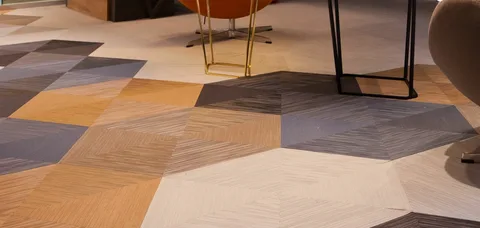
Floor covering plays a significant role in enhancing the aesthetics and functionality of a space. Whether you’re building a new home, renovating, or just updating your floors, choosing the right floor covering is crucial. With various options available today, each with its own advantages and disadvantages, it can be overwhelming to make the right choice. This guide explores the different types of floor coverings available, helping you decide which is best for your needs.
1. Hardwood Flooring
Hardwood flooring remains a timeless choice for many homeowners due to its natural beauty, durability, and ability to increase property value. Available in a wide range of species, such as oak, maple, and walnut, hardwood flooring can complement virtually any home style.
Pros:
- Durable and long-lasting
- Adds warmth and character to a room
- Increases home value
- Can be refinished multiple times
Cons:
- Can be expensive
- Sensitive to moisture, causing potential warping
- Requires regular maintenance to preserve its finish
2. Laminate Flooring
Laminate flooring is a cost-effective alternative to hardwood. Made of synthetic materials, it mimics the appearance of natural wood, stone, or tile. Laminate is easy to install, durable, and resistant to scratches and stains, making it a popular choice for busy households.
Pros:
- Affordable
- Easy to install
- Scratch- and stain-resistant
- Available in a variety of styles and finishes
Cons:
- Not as durable as real wood or stone
- Can be damaged by moisture
- Can’t be refinished once worn down
3. Vinyl Flooring
Vinyl flooring is a versatile and durable option that is available in sheets, planks, or tiles. It is designed to mimic the appearance of wood, stone, or ceramic but at a fraction of the cost. Vinyl is water-resistant and comes in a wide variety of colors and patterns.
Pros:
- Waterproof, making it perfect for kitchens and bathrooms
- Easy to clean and maintain
- Budget-friendly
- Comfortable underfoot
Cons:
- Can be scratched or gouged by sharp objects
- May fade over time with exposure to sunlight
- Not as eco-friendly as other materials
4. Tile Flooring
Tile flooring is a durable and elegant option that works well in almost any room of the house. Available in ceramic, porcelain, and natural stone options, tile can be customized to match your design preferences. It is particularly popular in high-moisture areas like bathrooms, kitchens, and basements.
Pros:
- Extremely durable and resistant to moisture
- Easy to clean and maintain
- Comes in a variety of styles, colors, and patterns
- Can be heated with radiant floor heating systems
Cons:
- Cold and hard underfoot
- Requires grout maintenance
- Can be expensive, especially for high-end tiles like marble or granite
5. Carpet Flooring
Carpet is one of the most comfortable and cozy floor coverings, offering warmth and sound insulation. It is available in various styles, textures, and colors. Carpet is ideal for bedrooms, living rooms, and other areas where comfort is a priority.
Pros:
- Soft and comfortable to walk on
- Good sound insulation
- Available in numerous colors, textures, and styles
- Can add warmth to a room
Cons:
- Can stain easily
- Requires regular cleaning and maintenance
- Can trap allergens and dust
- May wear out more quickly in high-traffic areas
6. Bamboo Flooring
Bamboo is an eco-friendly alternative to hardwood. It is a sustainable material that grows rapidly and is often used as a green building option. Bamboo flooring has a unique appearance and is typically harder than some hardwood species, making it a durable and stylish choice.
Pros:
- Environmentally friendly and sustainable
- Strong and durable
- Available in a variety of styles and finishes
- Easy to maintain
Cons:
- Can be affected by moisture, leading to warping
- Can be expensive, especially for high-quality bamboo
- Requires regular maintenance to prevent scratching
7. Cork Flooring
Cork flooring is another eco-friendly option that is both unique and durable. Made from the bark of cork oak trees, cork is soft, comfortable to walk on, and has natural insulating properties. It is available in various patterns and finishes and is ideal for areas where comfort is important, like home offices or bedrooms.
Pros:
- Sustainable and renewable
- Soft and comfortable underfoot
- Naturally resistant to mold and mildew
- Insulates sound and temperature
Cons:
- Can be damaged by sharp objects or heavy furniture
- Requires periodic sealing to maintain its appearance
- Can be easily dented by high heels or furniture
8. Concrete Flooring
Concrete flooring offers a modern and industrial look that’s becoming increasingly popular. It can be stained, polished, or textured to create various designs. Concrete floors are extremely durable and low-maintenance, making them a great choice for modern and industrial-style homes.
Pros:
- Extremely durable and long-lasting
- Low maintenance and easy to clean
- Can be customized with various finishes
- Works well with underfloor heating systems
Cons:
- Cold and hard underfoot
- Can crack over time
- Requires professional installation for best results
9. Rubber Flooring
Rubber flooring is typically used in commercial settings but is also gaining popularity in home gyms, playrooms, and kitchens. It is available in tiles, rolls, or mats and is known for its slip resistance and shock-absorbing properties.
Pros:
- Durable and long-lasting
- Comfortable and soft underfoot
- Slip-resistant, making it a great choice for wet areas
- Easy to clean and maintain
Cons:
- Limited design options
- Can be expensive
- May not be suitable for all home styles
10. Stone Flooring
Stone flooring, including options like granite, marble, and slate, offers a luxurious and durable option for homeowners. It adds timeless beauty and elegance to any space and works well in kitchens, bathrooms, and high-traffic areas.
Pros:
- Durable and long-lasting
- Adds value to your home
- Available in many types, textures, and finishes
- Low maintenance if properly sealed
Cons:
- Can be very expensive
- Cold and hard underfoot
- Requires regular sealing and maintenance to prevent stains
Conclusion
Choosing the right floor covering is a crucial decision that affects the aesthetics, comfort, and functionality of your home. From the timeless appeal of hardwood to the practicality of vinyl and the sustainability of bamboo, there is a floor covering for every need and style. By carefully considering your budget, lifestyle, and design preferences, you can make an informed decision that will enhance your living space for years to come.
FAQs
Q1: What type of flooring is best for high-traffic areas?
For high-traffic areas, consider durable options like hardwood, tile, or vinyl. These materials can withstand heavy foot traffic and are easy to maintain.
Q2: Which type of floor covering is the most affordable?
Laminate and vinyl flooring are typically the most affordable options. They offer a wide range of styles while being budget-friendly.
Q3: What is the most eco-friendly flooring option?
Bamboo, cork, and reclaimed wood are considered some of the most eco-friendly flooring materials due to their sustainability and low environmental impact.
Q4: How do I choose the right floor covering for my home?
Consider factors such as the room’s function, your budget, and your personal style. Also, think about durability, maintenance needs, and whether the flooring suits your lifestyle.
Q5: Can I install floor coverings myself?
Many types of floor coverings, such as vinyl, laminate, and carpet, can be installed by DIYers. However, more complex materials like hardwood, tile, or stone may require professional installation for the best results.